How Jamaican Food Combines Simplicity and Flavor
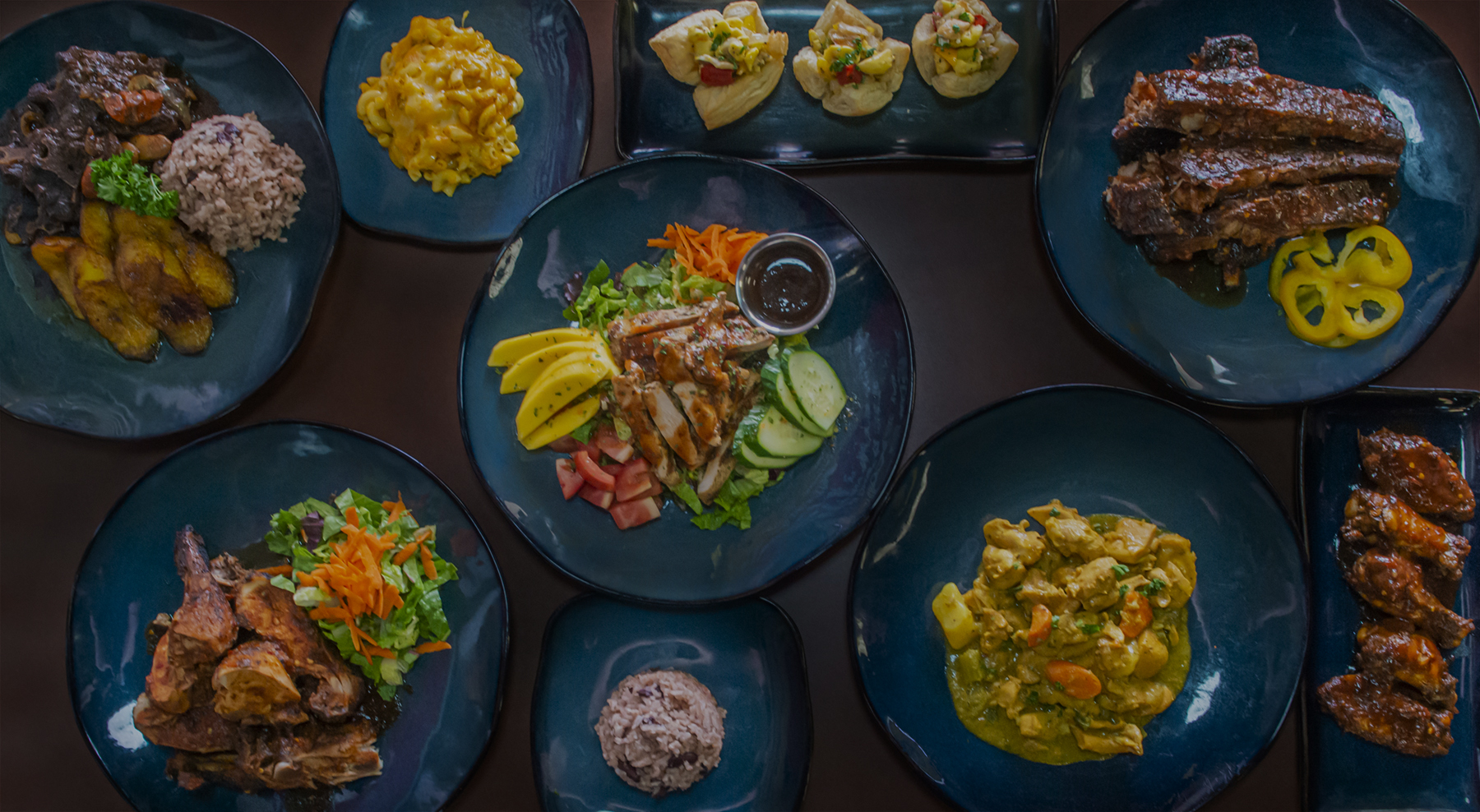
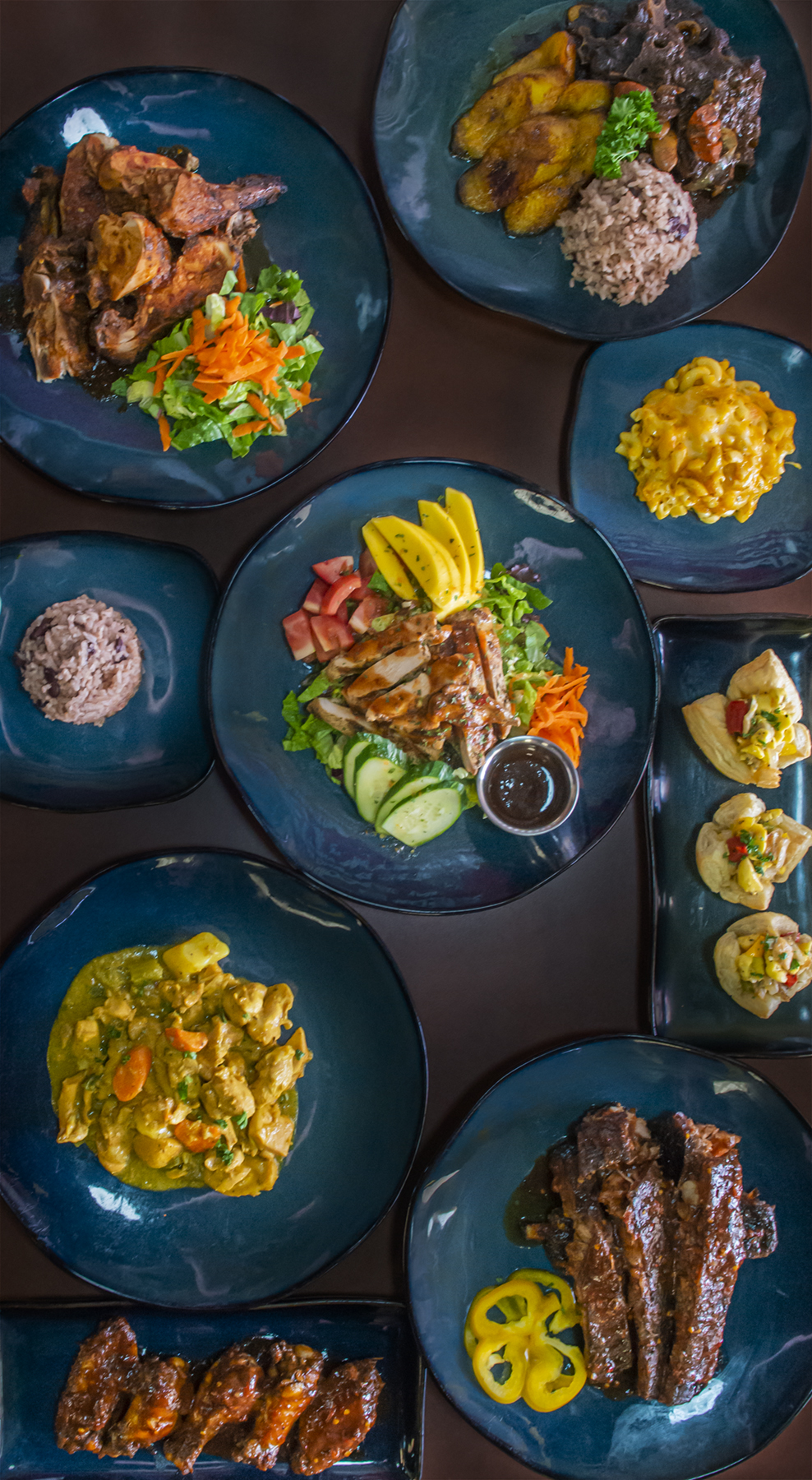
Jamaican food has a way of feeling generous without being fussy. It rarely depends on elaborate plating, long ingredient lists, or technical flourishes designed to impress from a distance. Instead, it wins people over at the table, often with one bite. A piece of jerk chicken with smoke worked deep into the skin, a spoonful of rice and peas scented with thyme and coconut milk, a bowl of pepper pot soup that starts earthy and finishes warm on the tongue, these dishes show a style of cooking that understands restraint as well as intensity.
That balance is what makes Jamaican cuisine so compelling. The food is often built from everyday ingredients, but handled with confidence. Scotch bonnet, scallion, thyme, pimento, ginger, garlic, coconut milk, allspice, saltfish, yam, green banana, callaloo, breadfruit, these are not obscure products in the Jamaican kitchen. They are familiar, practical, and used with a level of instinct that comes from repetition and tradition. The result is food that tastes layered and memorable without looking complicated on paper.
People sometimes mistake simplicity for plainness. Jamaican cooking proves the opposite. Simplicity, when it is rooted in strong technique and clear taste, can create extraordinary depth. A pot does not need twenty ingredients to be complex. It needs ingredients that make sense together, cooked with attention.
Flavor begins with knowing what matters
One of the clearest strengths of Jamaican food is its sense of priority. Not every element in a dish is asked to do everything. Some ingredients bring heat. Others carry aroma. Some add body, sweetness, or a clean vegetal note that rounds out the richer parts of the plate. This disciplined way of building flavor is why Jamaican food often tastes vivid rather than muddled.
Take jerk as an example. Outside Jamaica, jerk is often reduced to a generic spicy seasoning, sometimes too sweet, sometimes overly smoky, sometimes buried under bottled sauce. Real jerk is much more precise. The heart of it lies in a seasoning blend that usually leans on allspice, Scotch bonnet, thyme, scallion, garlic, ginger, salt, and often some combination of cinnamon, nutmeg, or cloves depending on the cook. None of those ingredients is there by accident. The allspice gives jerk its signature warmth. Scotch bonnet brings heat, but also fruitiness. Thyme adds a dry herbal note that keeps the profile grounded. Scallion and garlic provide the savory backbone.
When that seasoning meets fire, especially pimento wood in traditional cooking, the flavors settle into something far deeper than a quick description can capture. It tastes hot, aromatic, savory, and slightly sweet from the natural sugars in the meat and seasonings, all at once. Nothing about that is complicated in a modern culinary sense. It is simply well judged.
The same principle shows up in less internationally famous dishes. Fried plantain, for instance, is hardly a technical challenge, yet when properly ripened and cooked, it contributes a caramel sweetness that can soften the spice of escovitch fish or pair beautifully with a salty breakfast of ackee and saltfish. Festivals, those lightly sweet fried dough sticks often served with fish or jerk, do something similar. They are not there as filler. They act as contrast, giving the plate another texture and flavor register.
The pantry is practical, the results are expressive
A lot of Jamaican cooking grew out of necessity, agriculture, migration, and resourcefulness. That history matters because it shaped a cuisine that knows how to do a great deal with what is on hand. Salted cod became saltfish, and from there became central to one of the island’s most beloved dishes. Tougher cuts of meat became candidates for slow cooking. Ground provisions such as yam, cassava, and green banana offered starch, substance, and affordability. Breadfruit, once introduced, became one of those ingredients that could be roasted, boiled, or fried depending on the meal and the season.
This is where simplicity in Jamaican food becomes most honest. The cuisine does not hide its dependence on staple ingredients. It celebrates them. Rice and peas is a perfect example. Despite the name, the “peas” are usually kidney beans or gungo peas, simmered with coconut milk, thyme, scallion, garlic, and often Scotch bonnet. The rice cooks in that fragrant liquid and comes out fluffy, savory, and faintly rich. It is not meant to compete with the main dish. It supports it, absorbs sauce, and stands on its own if needed. Good rice and peas tastes complete, not secondary.
I have eaten versions that looked almost austere in the pot, just beans, rice, herbs, coconut milk, and seasonings, yet they carried more character than side dishes with twice as many components. That is one of the quiet lessons of Jamaican food. If the ingredients are appropriate and the seasoning is balanced, modest cooking can still feel abundant.
Soups tell the same story. Jamaican soups are not delicate consommés designed for formal dining. They are hearty, practical, and deeply flavored. Mannish water, red peas soup, chicken foot soup, pumpkin soup, these are dishes with purpose. They nourish, stretch ingredients, and gather flavor over time. A soup might contain dumplings, yam, carrot, cho cho, pumpkin, scallion, thyme, and meat on the bone, each piece contributing something distinct. The cooking is straightforward, but the final taste is layered because the ingredients are given enough time to speak to one another.
Seasoning is not decoration, it is structure
In many cuisines, seasoning is treated as a final adjustment. In Jamaican food, seasoning often forms the architecture of the dish from the start. This is a major reason simple methods can yield such satisfying results. Before meat hits the pan or grill, before fish goes into the pot, before beans begin to simmer, cooks are already shaping the outcome with green seasoning, dry spices, marination, or careful salting.
Walk into a kitchen where curry goat is being prepared and the air tells the story early. You will smell onion, garlic, ginger, thyme, and curry powder before the dish is fully underway. Jamaican curry is its own style, usually bolder and warmer than some Indian curries that inspired it historically, with turmeric, coriander, fenugreek, and other spices adjusted over time to local preference. The meat is often seasoned well in advance, then browned, then slowly cooked until tender. None of this is unnecessarily complex. It is a sequence designed to create flavor in stages.
That staging matters. Brown stew chicken is another strong example. Browning sauce gives color and a faint bittersweet note, but it is only one part of the picture. The chicken is seasoned, often rested, then browned and simmered with onion, tomato, sweet pepper, carrot, thyme, and stock or water until the sauce thickens and the meat becomes tender. The result tastes rounded because flavor was built step by step. Simplicity does not mean skipping those steps. It means each step earns its place.
This distinction is often lost in weaker imitations of Jamaican food. People may focus on heat alone, adding more Scotch bonnet than the dish needs. Others overdo sweetness, especially in jerk sauces made for export markets. Authentic Jamaican cooking tends to be more balanced than that. Heat should sharpen and excite, not flatten every other flavor. Sweetness should support, not dominate. The best cooks know where to stop.
Fire, smoke, and the value of patience
Part of the beauty of Jamaican cooking lies in how often it relies on elemental techniques. Grilling over coals, roasting in skin or husk, simmering in one pot, frying until crisp at the edges, these are methods that any cook can understand, but they reward patience and judgment.
Traditional jerk cooking is perhaps the most famous case. Meat, often chicken or pork, is seasoned heavily and cooked slowly over pimento wood, sometimes covered to trap smoke and heat. The process is not rushed. A proper jerk pit produces a kind of deep seasoning that does not come from sauce ladled on at the end. The smoke penetrates. The fat renders. The surface darkens without turning harsh. If the heat is too aggressive, the outside burns before the inside develops. If the seasoning is too wet or sugary, the meat can char unpleasantly. Good jerk asks the cook to manage variables by feel, not just by timer.
That same respect for patience shows up in less famous places. Roast breadfruit can be cooked directly over flame until the skin blackens and the inside turns soft and starchy, ready to be peeled and eaten with ackee, fish, or simply butter. Steamed fish, often prepared with okra, carrot, onion, and pepper, depends on gentle heat and a covered pot so the fish remains moist while the broth concentrates. Oxtail, now expensive enough to be a luxury in many places, still depends on long, slow cooking to transform connective tissue into richness.
There is nothing flashy about these techniques. They are ancient, efficient, and rooted in experience. Yet they produce some of the most memorable dishes in the cuisine.
Simplicity also means contrast
A strong Jamaican meal rarely leans on one note. Even when the plate looks hearty and straightforward, contrast keeps it alive. Heat is paired with sweetness. Soft textures meet crisp ones. Rich dishes are offset by acidic or pickled components. This is one reason the food feels so satisfying over the course of a full meal rather than just a few bites.
Escovitch fish shows this especially well. Fried fish on its own is delicious, but the escovitch topping, usually a sharp mixture of vinegar, onion, carrot, Scotch bonnet, and sometimes bell pepper or pimento berries, changes the experience completely. The vinegar cuts through the fried exterior and the richness of the fish. The vegetables retain some crunch. The pepper adds bite. It is a simple construction, but a very smart one.
You can say the same about a plate of jerk pork with bread, festival, or bammy. Bammy, made from cassava, has a mild, almost neutral character that helps tame the spice and smoke of the meat. A bottle of Ting or a cold stout can perform the same balancing act from the other side of the table. Jamaican cuisine understands the rhythm of eating, not just the assembly of dishes.
Breakfast offers another good example. Ackee and saltfish is often described to visitors because ackee can be unfamiliar, but once you eat it properly, the logic is immediate. Ackee has a soft, buttery texture and a gentle taste. Saltfish is firm, savory, and assertive. Add onion, tomato, scallion, thyme, and a little pepper, and you have a dish that feels both delicate and robust. Serve it with boiled green banana, fried dumplings, roasted breadfruit, or boiled yam, and the meal becomes a study in contrast without ever becoming chaotic.
The island’s history is on the plate
Jamaican food did not arrive fully formed. It developed through Indigenous influence, African foodways, European colonization, Indian indentureship, Chinese migration, and ongoing exchange across the Caribbean and beyond. That history explains why the cuisine can feel so direct while also being remarkably layered.
The African imprint is especially profound in the use of provisions, one pot cooking, and seasoning traditions that value aroma and depth. Indian influence is visible in curry and in forms https://mylesnizs555.alderbrief.com/posts/timeless-jamaican-food-dishes-everyone-should-know of spiced snacks and breads that evolved locally. Chinese Jamaican cooking shaped popular takeout culture and everyday dishes in towns and cities. British colonial patterns affected ingredients and meal structures, though Jamaicans made those influences their own rather than simply preserving them.
This mixed history matters because it shows that simplicity in Jamaican food is not the same as narrowness. The cuisine is broad and adaptive. A patty, for example, has obvious links to the broader history of pastry and spiced fillings, but the Jamaican version, flaky, turmeric tinted, and packed with beef, chicken, or vegetables, is distinct in both flavor and cultural role. It is fast food, comfort food, and a national symbol all at once.
What ties the cuisine together is not a rigid rulebook. It is a common approach to flavor. Bold seasoning, practical ingredients, careful balancing, and confidence with heat appear again and again, whether the dish came from rural tradition, street food, or urban kitchens.
Street food proves the point better than fine dining ever could
If someone wants to understand how Jamaican food combines simplicity and flavor, street food is often the best teacher. A roadside jerk pan, a small shop selling patties, a beachside fish fry, or a vendor serving soup from a large pot tells you more about the cuisine than an overworked tasting menu probably will.
Street food strips cooking down to essentials. The cook must produce consistent flavor, often in volume, with limited space and no room for wasted motion. That pressure tends to preserve what matters and discard what does not. Good roadside jerk is not trying to be clever. It is trying to be irresistible. A fresh patty succeeds because the crust shatters lightly and the filling is well seasoned, not because it has an elaborate garnish. A cup of peanut porridge works because it is smooth, fragrant with spice, and filling enough to carry someone through the morning.
There is also an honesty to these foods. You taste smoke, spice, salt, sweetness, and starch exactly where they belong. Nothing is hidden. If the seasoning is off, you know immediately. If the grill was too hot, the meat tells on itself. If the fish is fresh, the simplicity of the preparation makes that clear too.
That directness is one reason Jamaican food travels well across social settings. It can anchor a Sunday family meal, fuel a workday lunch, or headline a celebration. It can be made with modest means or dressed up with more expensive ingredients, yet its identity remains intact.
The role of memory and repetition
One thing professionals sometimes miss when analyzing traditional cuisines is the power of repetition. Jamaican food is shaped not only by ingredients and methods, but by cooks making the same dishes over and over until they become instinctive. A grandmother does not need to consult a formula to know how much thyme suits a pot of soup. A jerk man learns the mood of his fire from years of tending it. A home cook can tell by smell when curry has toasted enough in oil before liquid is added.
That kind of knowledge creates a cuisine that looks simple from the outside because its complexity has been internalized. You see a straightforward plate. The cook sees a hundred small decisions behind it. How long to soak the saltfish. When to add the scallion so it softens without disappearing. Whether the plantain is ripe enough to fry or better suited to boiling. How much Scotch bonnet to use when children will also be eating. Whether the rice needs a little more water because the coconut milk was thicker than usual.
These are not glamorous decisions, but they are the difference between a decent meal and a memorable one. Jamaican food rewards that practical judgment.
Why the food stays with people
People often remember Jamaican food in sensory fragments long after the meal is over. The perfume of pimento and thyme drifting from a grill. The soft, almost scrambled texture of ackee against the firmness of saltfish. The first sharp bite of escovitch vinegar. The slow burn of pepper after a spoonful of soup. These details stay vivid because the cuisine relies on strong, distinct impressions rather than vague richness.
That is part of why Jamaican food has become so beloved far beyond the island. It is accessible without being bland, bold without being random, comforting without being dull. It can be introduced through familiar formats such as grilled chicken, stewed meat, fried pastries, or rice dishes, yet it always carries a personality of its own.
At its best, the cuisine demonstrates a truth that many elaborate food cultures know but do not always practice consistently. Flavor does not come from complication for its own sake. It comes from clarity, timing, seasoning, and the confidence to let a few good ingredients do real work. Jamaican cooks have understood that for generations.
That is the real appeal of Jamaican food. It does not confuse simplicity with limitation. It treats simple ingredients as worthy of care, and bold flavor as something built with discipline. The food feels grounded because it is. It comes from the land, from history, from labor, from family habits, from markets and firesides and Sunday tables. And when all of that lands on the plate, the result is unmistakable, straightforward in form, generous in taste, and far more sophisticated than its simplicity first suggests.
Reggae Pot Jamaican Grill
7562 S University Blvd C, Centennial, CO 80122
(303) 997-5623
FAQ About jamaican food
What is the best Jamaican food to try in Centennial?
The best choice depends on your preferences. Reggae Pot Jamaican Grill offers jerk chicken, curry goat, oxtail, and escovitch snapper, along with sides such as rice and peas and fried plantains. Ask the restaurant about current availability and spice levels before ordering.
Is Jamaican food very spicy in Centennial?
Heat varies by dish and preparation. Jerk dishes can be hot, while some stews and sides are milder. Tell the restaurant your preferred heat level and ask which options suit you.
What is typically on a Jamaican menu?
Common choices include jerk chicken, curries, oxtail, fish, patties, rice and peas, and plantains. Reggae Pot also lists ackee and saltfish and vegetable dishes. Menus and availability can change, so confirm your choices when ordering.